
Een professioniele trading site is essentieel voor het succesvol navigeren door de cryptomarkt
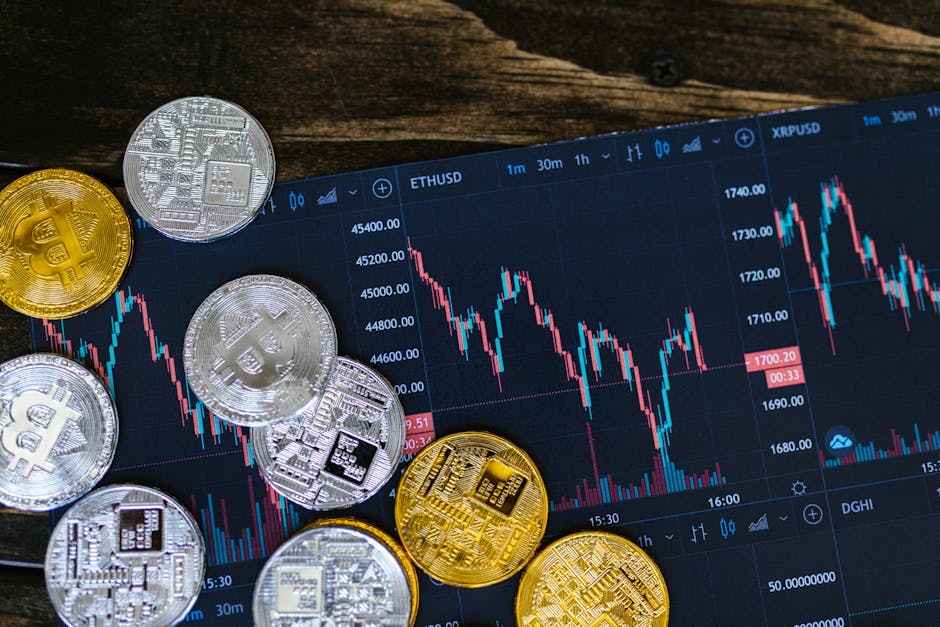
The Foundation of Secure and Efficient Trading
The cryptocurrency market operates 24/7 with extreme volatility. Amateur platforms often lack the infrastructure to handle rapid price swings, high transaction volumes, or sophisticated order types. A professional trading site provides robust matching engines, real-time data feeds, and multi-layered security protocols. Without these, traders face slippage, delayed executions, and potential loss of funds. Professional platforms also offer cold storage for assets, two-factor authentication, and insurance against breaches-features absent in basic exchanges. For anyone serious about capitalizing on crypto movements, relying on a consumer-grade interface is a liability, not a tool.
Moreover, professional sites integrate directly with major liquidity providers. This ensures that even during market crashes or spikes, orders are filled at expected prices. They also support algorithmic trading via API, allowing users to deploy bots or custom strategies. The difference between a professional and amateur platform often determines whether a trade is profitable or results in a liquidation cascade.
Key Features That Define a Professional Trading Platform
Not all exchanges are equal. A professional trading site distinguishes itself through several non-negotiable features. First, advanced charting tools with indicators like RSI, MACD, and volume profile are standard. Second, margin trading with up to 10x leverage (or more) requires proper risk management tools like stop-losses and take-profits. Third, the platform must offer fiat on-ramps and multi-currency support without excessive fees.
Security and Compliance
Regulatory compliance is a major differentiator. Professional sites adhere to KYC/AML standards, which protect both the platform and the user from illicit activity. They also undergo regular third-party audits of their smart contracts and cold wallet systems. For example, platforms that publish proof-of-reserves give traders verifiable assurance that their assets are not being misappropriated.
User Experience and Support
Professional platforms prioritize low-latency execution and a clean interface. They offer dedicated customer support with 24/7 live chat, unlike basic sites that rely on email tickets. Additionally, they provide educational resources such as webinars and market analysis, helping traders refine their strategies. The best platforms also simulate trading environments via demo accounts, allowing users to test strategies without risk.
Why Amateur Platforms Fail in Volatile Markets
During the 2020–2021 bull run, several popular consumer exchanges experienced outages for hours, causing massive losses for users who could not close positions. Professional trading sites invest heavily in server redundancy and load balancing to prevent such failures. They also have transparent fee structures-often using maker-taker models that reward liquidity providers-while amateur platforms hide costs in spreads or withdrawal limits.
Another critical failure point is data integrity. Amateur platforms may display delayed prices or incorrect order books, leading to poor decision-making. Professional sites aggregate data from multiple exchanges, offering a true market view. They also provide historical trade data for backtesting, a feature absent in most basic tools. For day traders or scalpers, even a 0.5-second delay can mean the difference between profit and loss.
FAQ:
What security measures should I look for in a professional trading site?
Look for cold storage of assets, two-factor authentication (2FA), withdrawal whitelists, and insurance coverage. Also, check if the platform publishes proof-of-reserves and undergoes regular security audits.
Can I use a professional trading site if I am a beginner?
Yes, but start with a demo account. Professional sites often have steeper learning curves, but they provide better tools and support. Beginners should avoid margin trading until they understand the risks.
Reviews
Marcus T.
I lost money on Coinbase during the 2021 crash due to outages. Switched to a professional site with API trading. Now I execute trades in milliseconds. The difference is night and day.
Elena V.
As a scalper, latency is everything. My current platform offers 0.2 second execution times and real-time order book updates. I wouldn’t trade on anything less.
James K.
The educational resources on professional sites are underrated. I learned advanced risk management and now use leverage safely. The support team also helped me set up a bot.
